

You pray about something for weeks. God answers. And three months later you can’t remember what you prayed, or that He answered at all.
That isn’t a character flaw. It’s how human memory works, and God knew it long before we did. That’s why the Bible keeps telling His people to do one simple thing: write it down.
This post walks through what Scripture says about writing things down, seven reasons Christians keep a journal, and a five-minute way to start today with nothing more than a notebook and a pen.
God told His people to write things down
The first journal keepers in the Bible weren’t trying to be writers. They were trying not to forget.
Habakkuk had just poured out his complaints to God. The whole first chapter of his book is him asking “how long?” God’s answer began with an instruction:
And the LORD answered me, and said, Write the vision, and make it plain upon tables, that he may run that readeth it.
Habakkuk 2:2 (KJV)
To Jeremiah, in one of the darkest seasons of Israel’s history, God said the same thing:
Thus speaketh the LORD God of Israel, saying, Write thee all the words that I have spoken unto thee in a book.
Jeremiah 30:2 (KJV)
And just before Israel entered a land full of good things, Moses gave them a warning:
Then beware lest thou forget the LORD, which brought thee forth out of the land of Egypt, from the house of bondage.
Deuteronomy 6:12 (KJV)
Notice when the danger comes. People rarely forget God in the middle of a crisis. They forget Him when life gets comfortable and busy. Writing is one of the oldest ways God’s people have fought that kind of forgetting.
The Psalms read like a prayer journal
Open the Psalms and you’ll find fear, anger, tears, joy and thanks, often in the same chapter. David didn’t tidy up his feelings before he brought them to God. He wrote them down as they were, and then wrote his way back to trust.
Trust in him at all times; ye people, pour out your heart before him: God is a refuge for us. Selah.
Psalm 62:8 (KJV)
A journal gives you a place to do the same. Pour it out first. Then, like the psalmists so often did, turn to what you know is true about God.
Seven reasons Christians keep a journal
1. You remember what God has done
When Israel crossed the Jordan River, God told Joshua to have twelve stones carried up from the riverbed and piled where they camped. One day their children would ask, “What mean these stones?” and the parents would tell the story.
…and these stones shall be for a memorial unto the children of Israel for ever.
Joshua 4:7 (KJV)
A journal is a pile of memorial stones. Years from now you can open it and see exactly where God carried you.
I will remember the works of the LORD: surely I will remember thy wonders of old.
Psalm 77:11 (KJV)
2. You notice your prayers being answered
Most answers to prayer come slowly and quietly. If you don’t write the request down, you’ll probably miss the answer when it comes. Keep a simple list at the back of your journal: the date, the request, and an empty space for how God answered. Few habits build faith faster.
3. Your racing thoughts slow down
Researchers have studied this for decades. In a well-known 1986 study, psychologist James Pennebaker asked college students to write about their deepest thoughts and feelings for 15 minutes a day, four days in a row. In the months that followed, those students visited the campus health center less often than students who had written about everyday topics. Many studies since then have looked at how putting feelings into words helps people work through them.
Scripture got there first. Writing a worry down is often the first step of handing it over:
Casting all your care upon him; for he careth for you.
1 Peter 5:7 (KJV)
If anxiety has worn you out lately, the story of Elijah under the broom tree is worth reading next.
4. Gratitude grows
In 2003, psychologists Robert Emmons and Michael McCullough asked people to write down a few things they were grateful for each week. Compared with people who wrote about hassles or ordinary events, the gratitude writers felt better about their lives as a whole and were more optimistic about the week ahead.
The Bible’s version is older and shorter:
Bless the LORD, O my soul, and forget not all his benefits:
Psalm 103:2 (KJV)
“Forget not” is the key. Writing is how you remember.
5. Scripture sticks when you write it by hand
God told every future king of Israel to write out his own copy of the law by hand:
And it shall be, when he sitteth upon the throne of his kingdom, that he shall write him a copy of this law in a book out of that which is before the priests the Levites:
Deuteronomy 17:18 (KJV)
Proverbs says to write God’s truth “upon the table of thine heart” (Proverbs 3:3). Copying a verse by hand slows you down enough to actually notice it. A 2024 study from the Norwegian University of Science and Technology even found that handwriting produced much more widespread connectivity in the brain than typing did.
Thy word have I hid in mine heart, that I might not sin against thee.
Psalm 119:11 (KJV)
6. You can be completely honest with God
Some things are hard to pray out loud. On paper you can be as honest as Hannah was when she “poured out” her soul at the temple. Her story, Hannah’s Prayer: A Bible Story for When Your Heart Is Breaking, shows what happens when we stop giving God the tidy version.
7. You leave a record of faith for the people after you
Your children and grandchildren may one day read how you trusted God through a hard year. That might be the most important thing you ever write.
This shall be written for the generation to come: and the people which shall be created shall praise the LORD.
Psalm 102:18 (KJV)
How to start a prayer journal in five minutes
You don’t need a special book to start. A plain notebook and a pen will do. Try this simple four-line page:
- Read one verse and copy it out by hand.
- Notice one word or phrase that stands out, and write why.
- Pray in your own words, like a short letter to God.
- Remember: one thing you’re thankful for, and one prayer request with today’s date.
That’s it. Five minutes. If you miss a day, don’t start over or feel guilty. Just open the notebook and carry on. A journal is a place to meet with God, not a test you can fail.
Tips that help the habit last
- Same time, same place: morning coffee, lunch break or before bed.
- Keep it short. Five honest minutes beat an hour you never get to.
- Date every page. You’ll be glad later.
- Once a month, read back through it. That’s when you’ll see God’s faithfulness most clearly.
Find the journal for your season
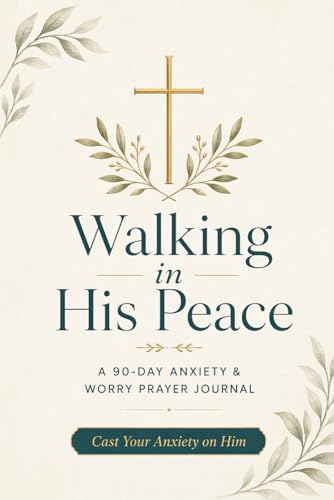
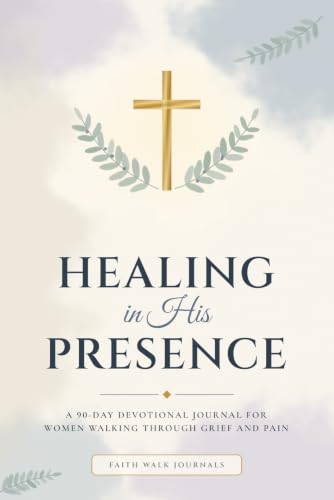
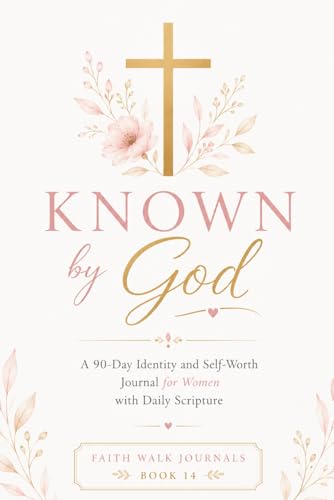
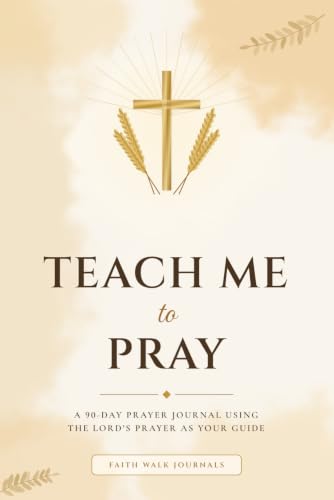
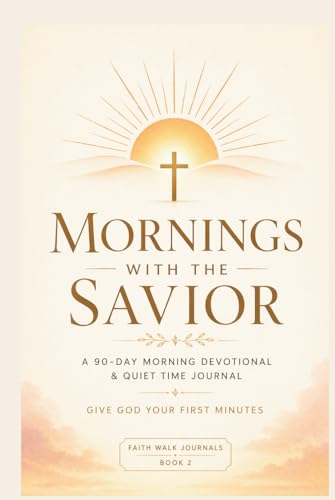
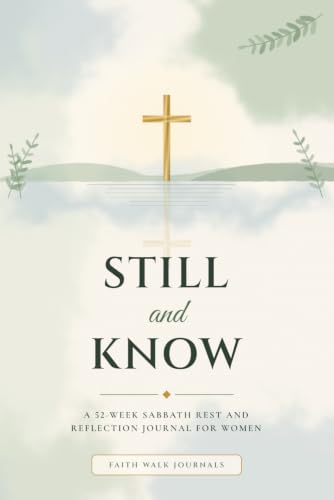
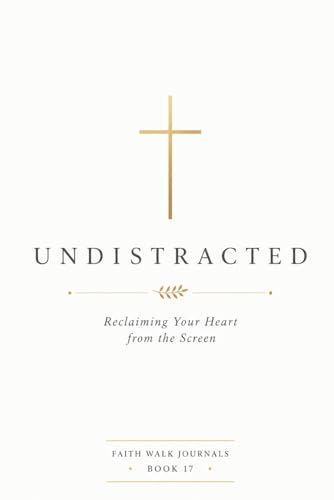
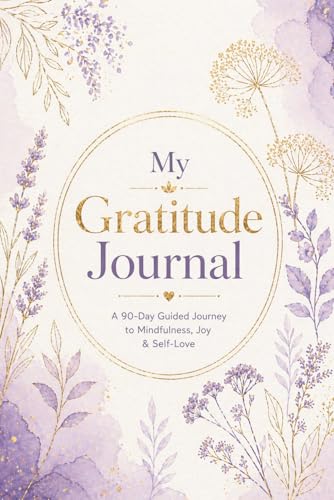
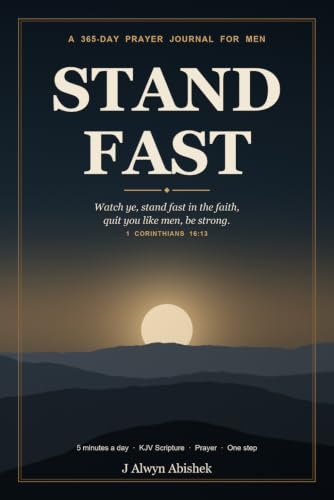
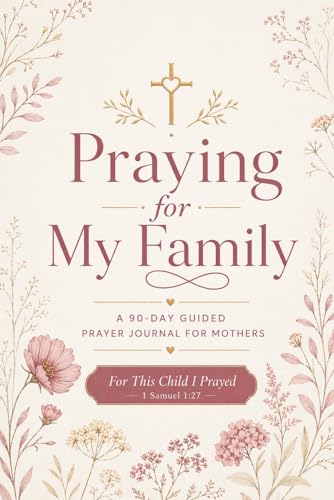
If a blank page feels hard, a guided journal gives you a verse, a question and a prayer prompt for each day, so all you have to do is show up. These are the journals we’ve made, grouped by what you might be walking through. Each one comes as a paperback on Amazon or as a printable PDF you can download today.
For a closer look at each one, with what a day looks like and every Amazon store, see Which Prayer Journal Fits Your Season? A Look Inside All 22 of Our Journals.
When you’re anxious, grieving or hurting
When you want to pray more
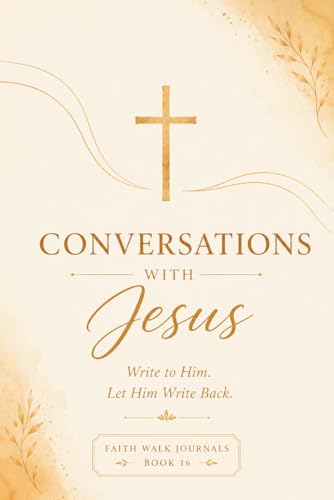
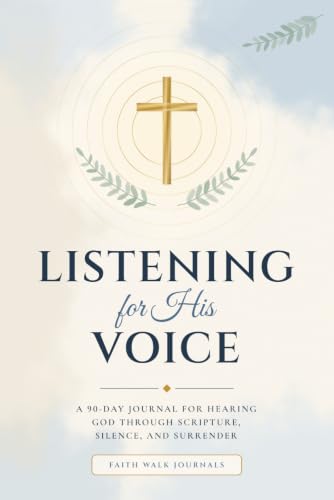
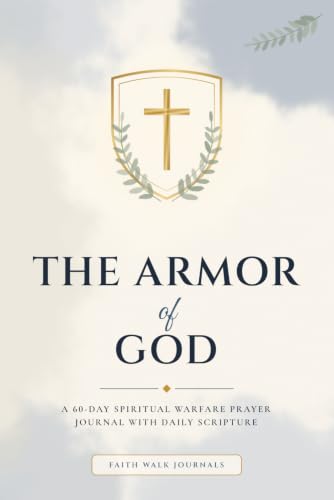
When you want to study and remember the Bible
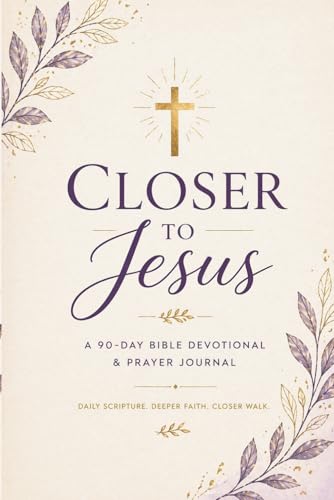
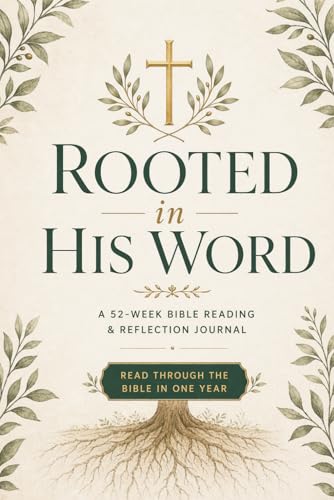
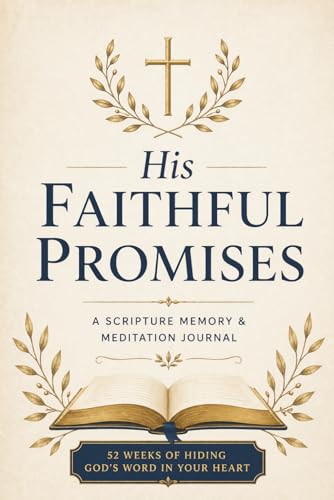
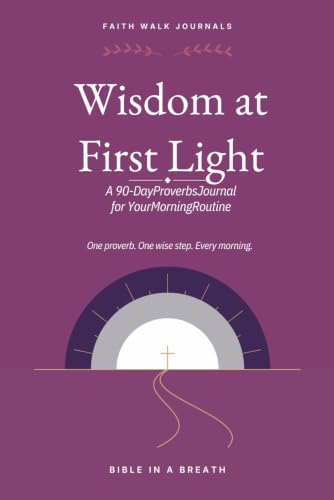
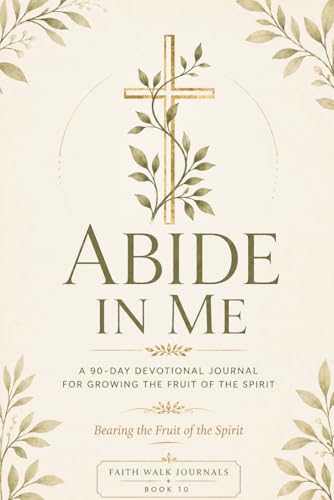
For mornings, rest and focus
For a thankful heart
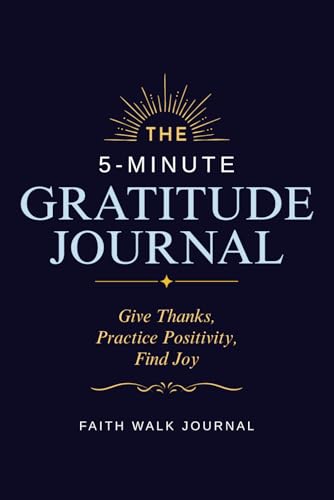
For men, moms and families
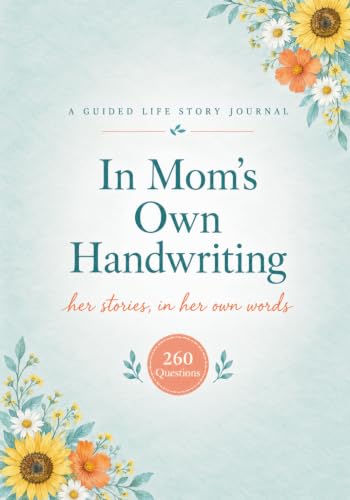
For special seasons
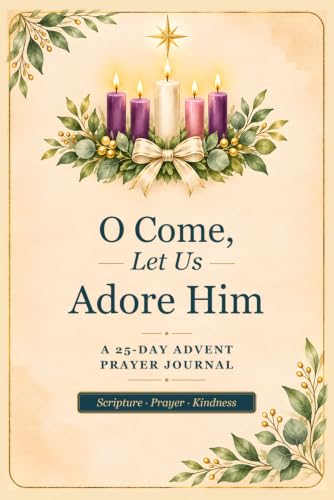
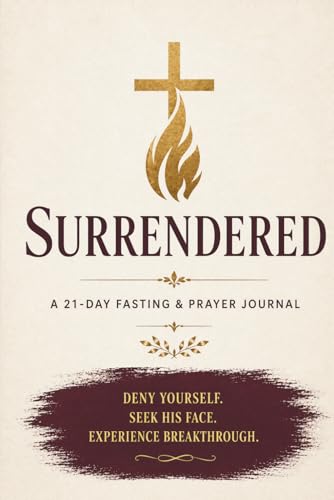
Stand Fast is also available in Spanish as a printable PDF: Estad Firmes.
Advent starts on Sunday, November 29 this year. If you want to walk through it with Scripture, here are 25 daily Advent readings for December 1 to Christmas. And for Thanksgiving, try these 25 Thanksgiving Bible verses and a 5-minute table prayer.
Questions people ask about Christian journaling
Do I need to be a good writer?
No. Bullet points, single words and half-finished sentences all count. God reads hearts, not handwriting.
What should I write in a prayer journal?
Start with the four lines above: a verse, what stood out, a prayer, and one thank-you plus one request. Over time you can add sermon notes, answered prayers, verses you’re memorizing and the things you’re struggling with.
Should I use a blank notebook or a guided journal?
Either works. A blank notebook gives you freedom. A guided journal gives you a verse and prompts every day, which helps if you tend to stare at an empty page or give up after a week.
What if I miss days?
Carry on from today. Missing days is normal. What matters is that you keep coming back.
Is morning or evening better?
Whichever time you can keep. Mornings set the tone for the day. Evenings help you look back and see where God was in it.
Get a little Scripture in your inbox
If you’d like short Bible stories and encouragement by email, join the Bible in a Breath newsletter. You’ll get a free 7-day peace plan when you sign up.
Written by J Alwyn Abishek, who writes the Bible in a Breath stories and makes the Faith Walk prayer journals. Scripture quotations are from the King James Version.